I was at Flutter Vikings 2022!
· One min read

My video blog from the Flutter Vikings 2022 conference

My video blog from the Flutter Vikings 2022 conference
Dart type system goes: never say never…
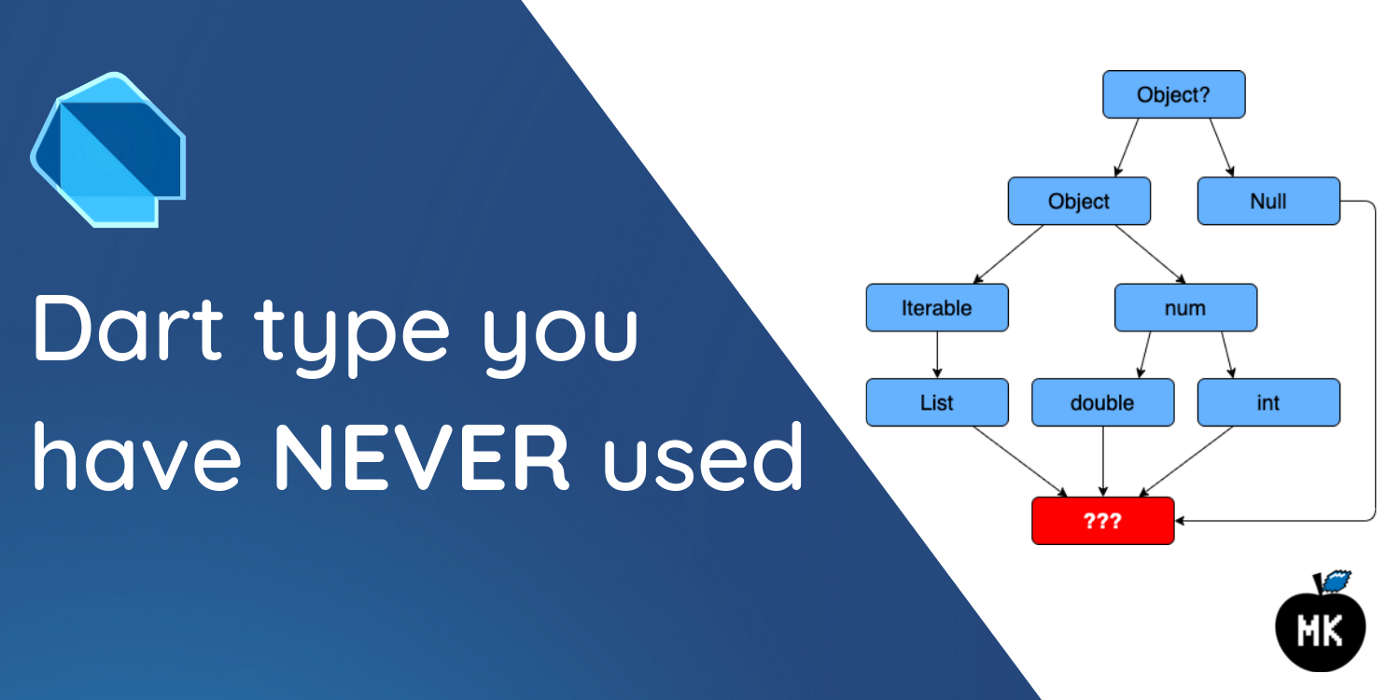
First of all, the title of this article could seem like just another clickbait but let me explain. Sure, there is a chance that you have used this type, but for the sake of a pun (and I REALLY enjoy them), I had to do it - oh well, here we are now. The thing is, the type I am going to talk about in this article is actually called Never.
An extensive checklist to kick-off a new Flutter project
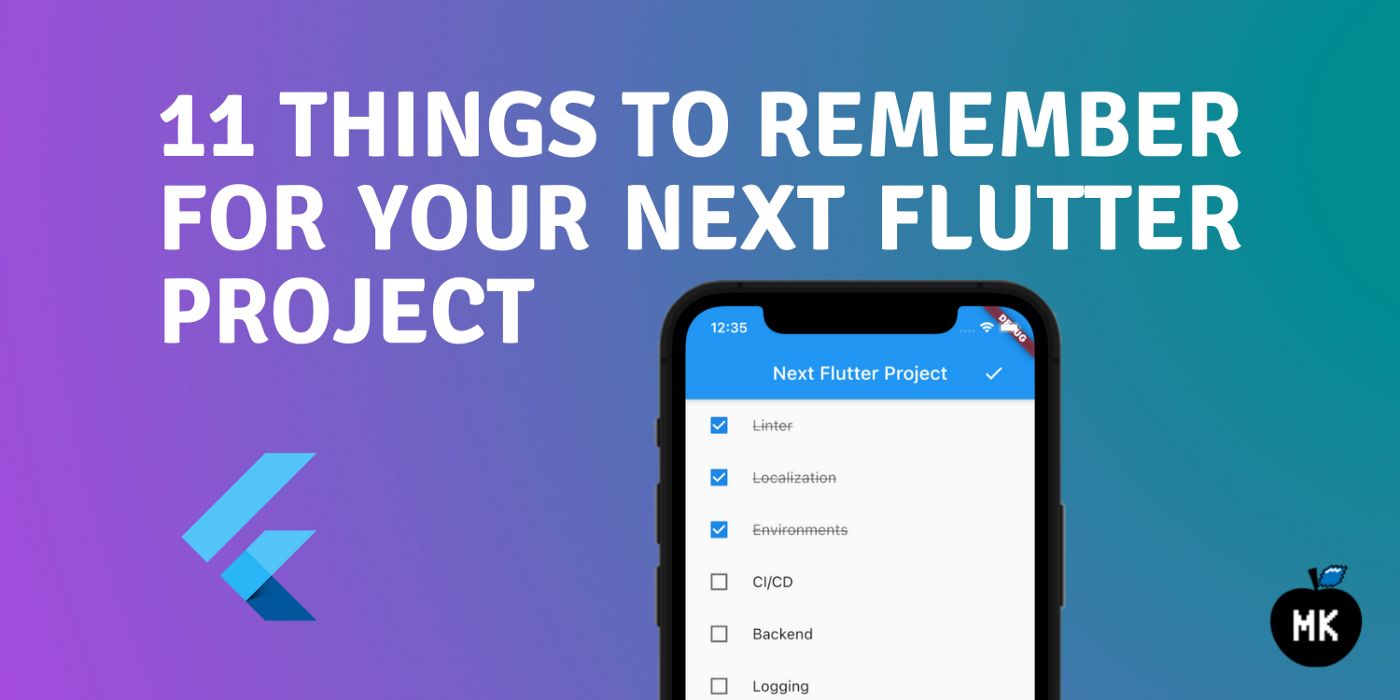
Creating a new Flutter project is a blessing — fresh codebase, no legacy code (yet), null-safety, most recent versions of your favourite packages and so forth. But at the same time, you should make critical decisions at the beginning of the project that would lay the foundation for the future, such as tooling, packages, file structure, state management solution, testing plan. Otherwise, the project would eventually turn into just another bowl of spaghetti and meatballs. To avoid this, I have prepared a list of, in my opinion, the most important elements of the project that should be decided early on.
Some insights on how to implement a production-quality app using Dart + Flutter
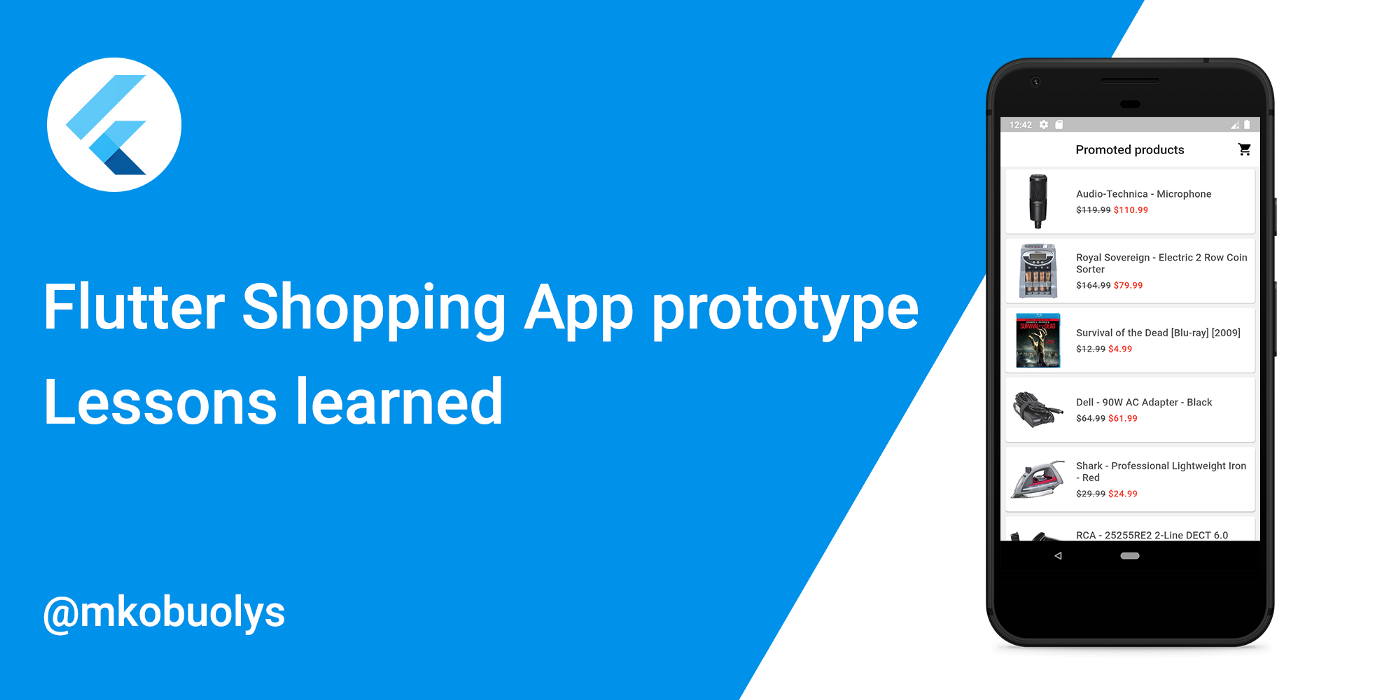
Recently, I received a task to build a shopping app prototype using Dart + Flutter. The main requirements were to use the real-world e-commerce API of free choice, implement lazy products' loading and caching, and build products and their details page. All the other implementation details were left up to me, hence I had to decide on the app architecture, state management solution, third-party packages, etc. So in this article, I will reflect on my choices, challenges and other details while implementing a production-quality prototype.
An overview of the Observer design pattern and its implementation in Dart and Flutter
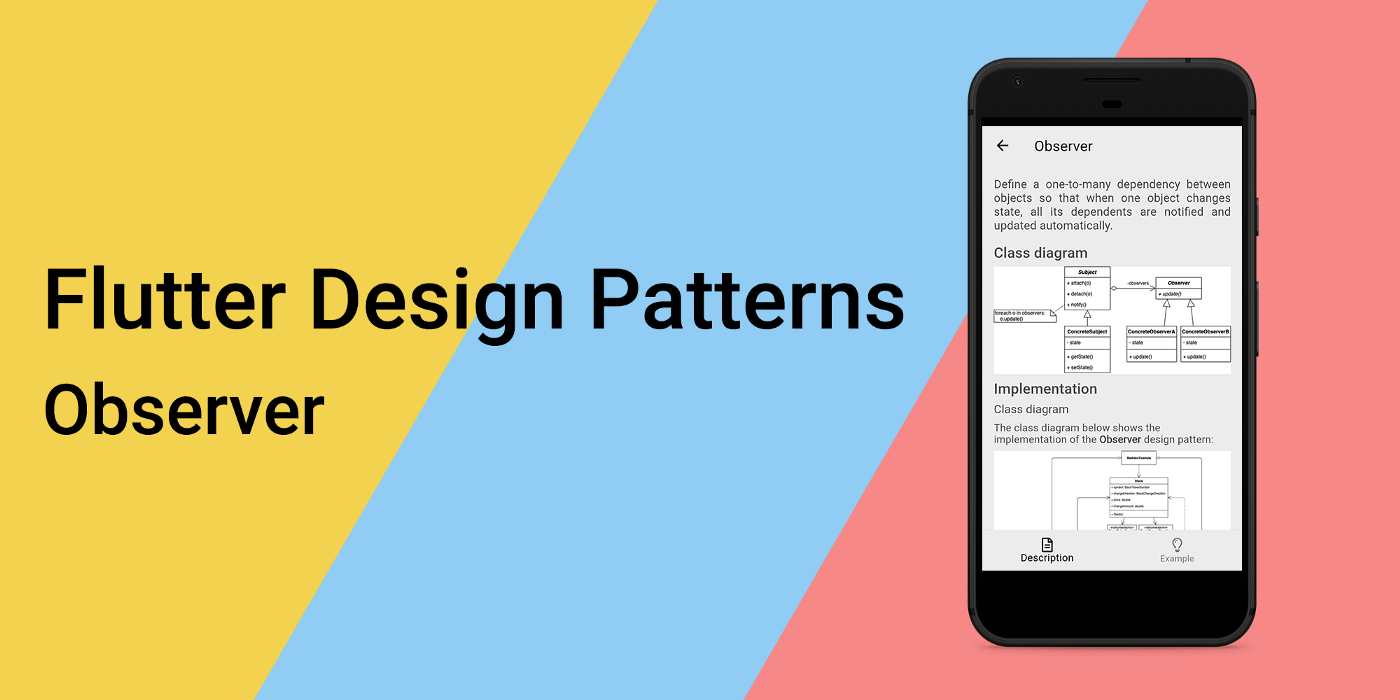
In the last article, I analysed a behavioural design pattern that reduces dependencies between a set of interacting objects by decoupling the interaction logic from the objects and moving it to a dedicated controller - Mediator. In this article, I would like to analyse and implement another behavioural design pattern that lets you define a publish-subscribe mechanism to notify multiple objects about any events that happen to the object they're subscribed to - it is Observer.
An overview of the Mediator design pattern and its implementation in Dart and Flutter
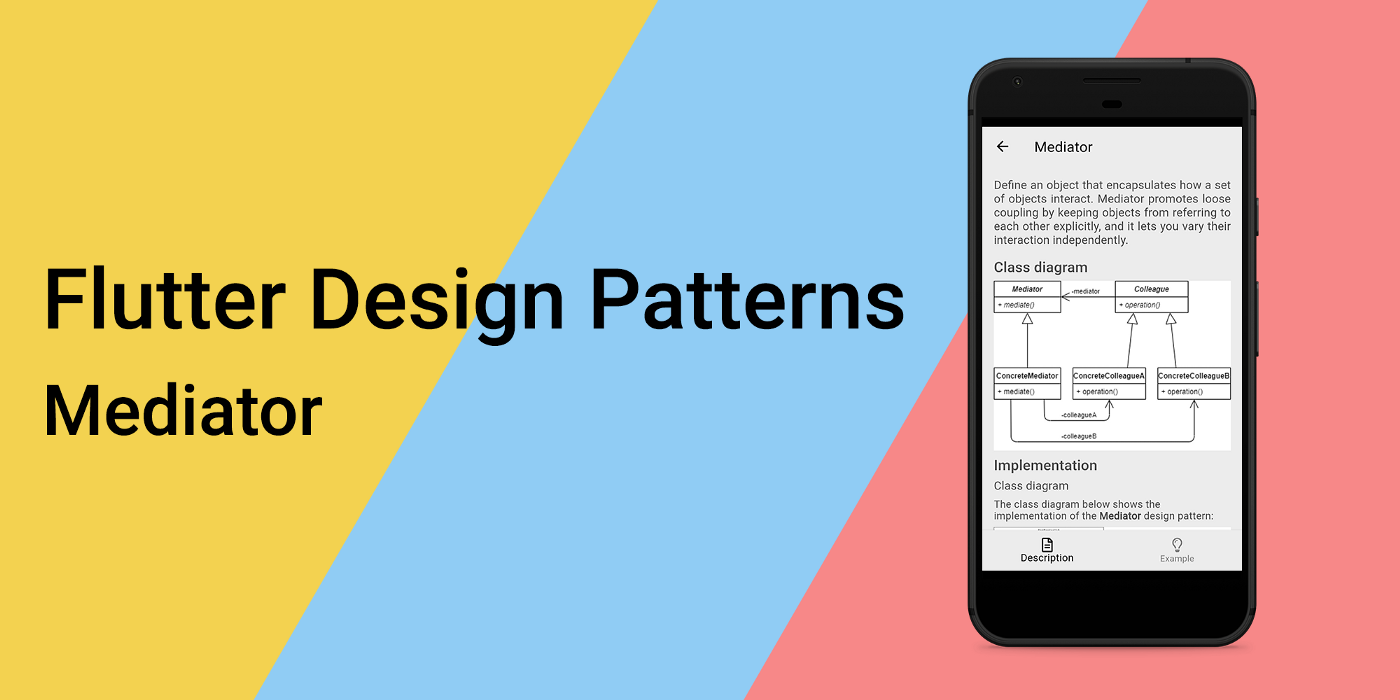
Previously in the series, I analysed a behavioural design pattern that separates algorithms from the objects they operate on - Visitor. This time I would like to represent one another behavioural design pattern that lets you reduce dependencies between a set of interacting objects by decoupling the interaction logic from the objects and moving it to a dedicated controller - it is the Mediator.
An overview of the Visitor design pattern and its implementation in Dart and Flutter
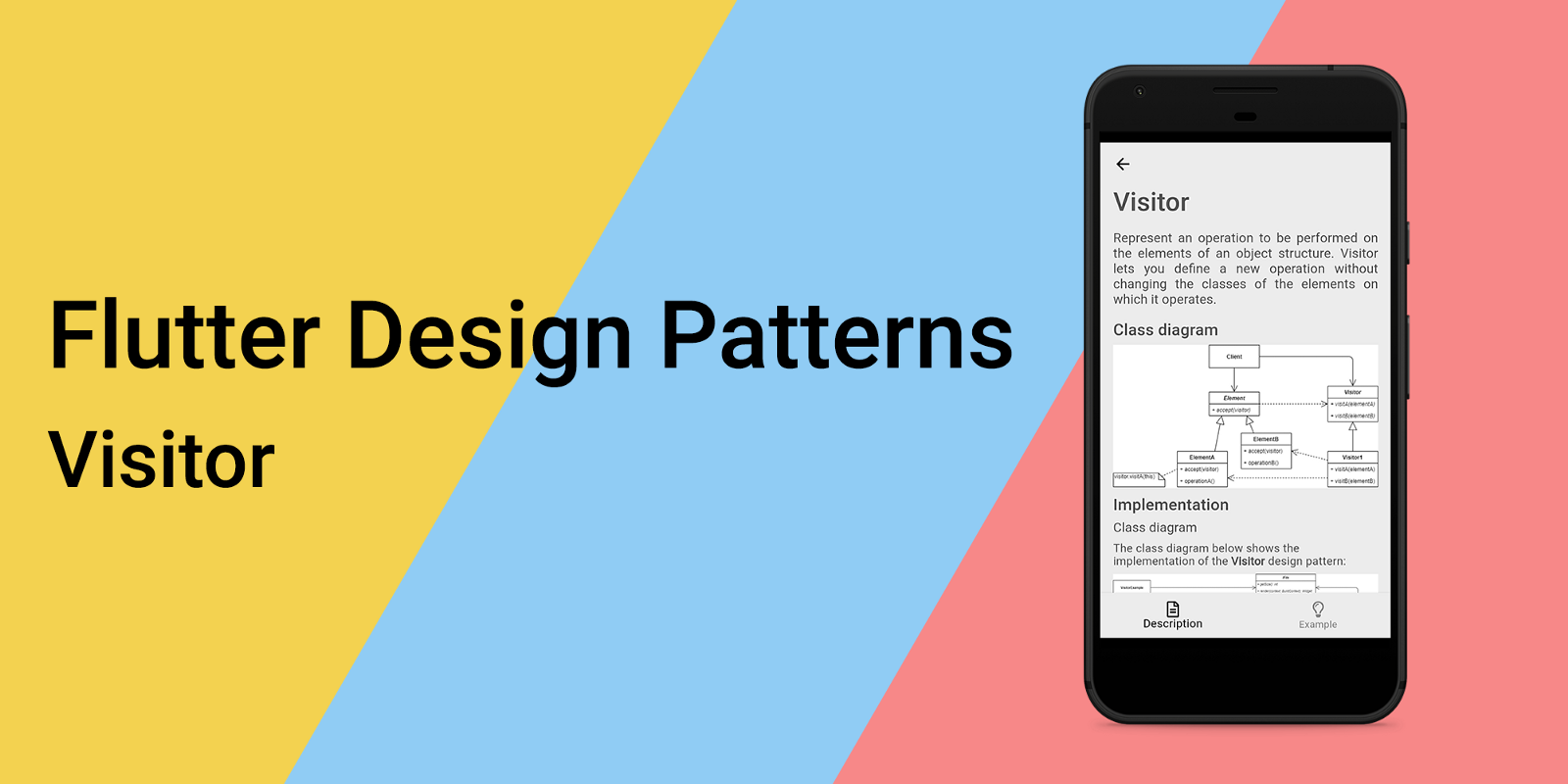
In the last article, I analysed a behavioural design pattern that enables loose coupling between the sender of a request and its receiver - the Chain of Responsibility. In this article, I would like to analyse and implement another behavioural design pattern that lets you separate algorithms from the objects on which they operate - it is Visitor.
An overview of the Chain of Responsibility design pattern and its implementation in Dart and Flutter
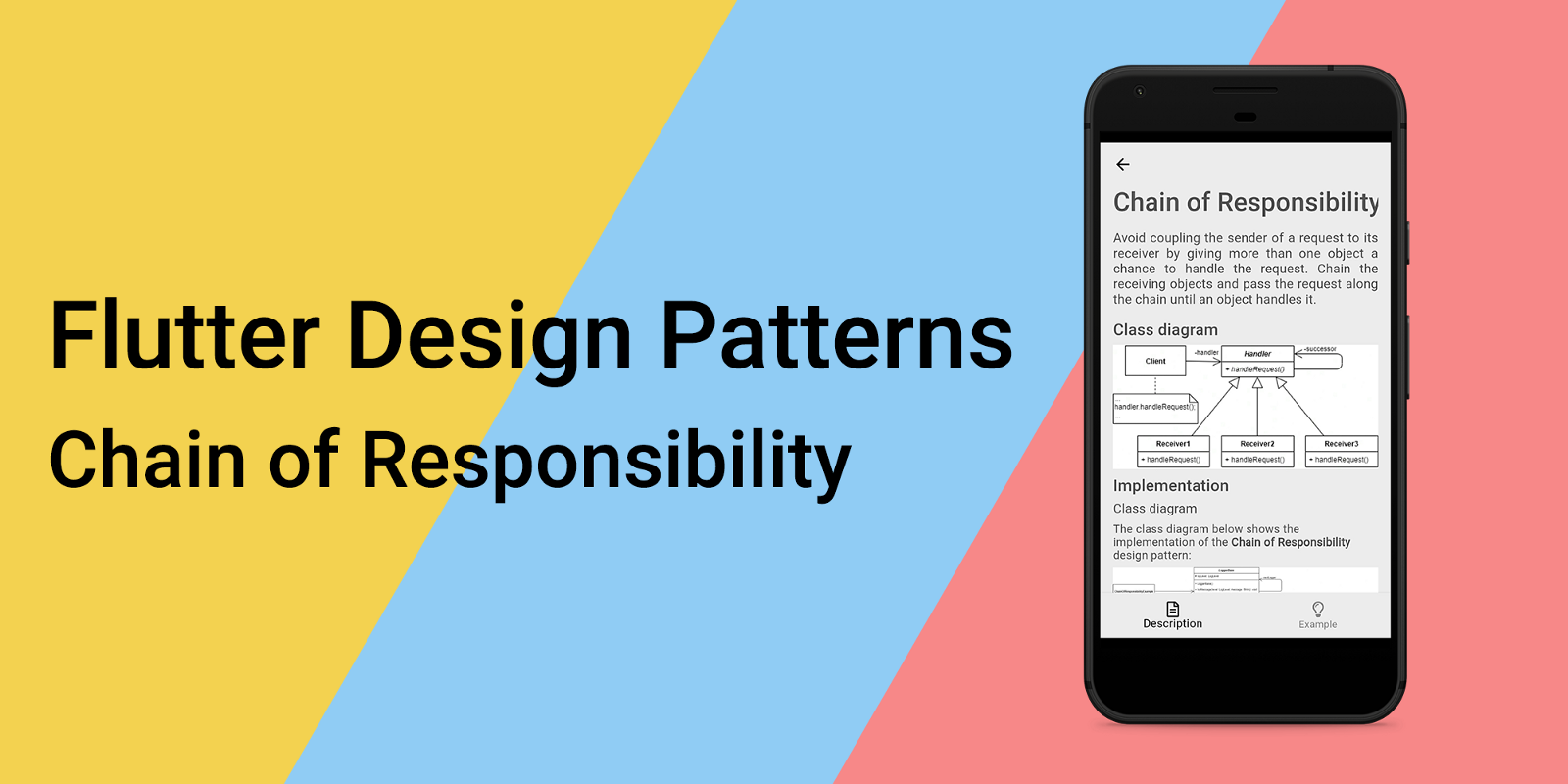
Previously in the series, I analysed a structural design pattern that introduced a concept of a "shared object" which could be used in multiple contexts simultaneously, hence reducing the memory usage of your code - Flyweight. This time I would like to represent a behavioural design pattern, which enables loose coupling between the sender of a request and its receiver, also adding a possibility for the same request to be handled by multiple handlers - it is the Chain of Responsibility.
An overview of the Flyweight design pattern and its implementation in Dart and Flutter

In the last article, I analysed a creational design pattern that divides the construction of a complex object into several separate steps - Builder. In this article, I would like to analyse and implement a structural design pattern that helps using a huge number of objects in your code that could barely fit into available RAM - it is Flyweight.
An overview of the Builder design pattern and its implementation in Dart and Flutter

Previously in the series, I analysed a relatively complex, but very practical and useful structural design pattern — Bridge. This time I would like to represent a design pattern, which divides the construction of a complex object into several separate steps. It is a creational design pattern called Builder.